AGP Executive Report
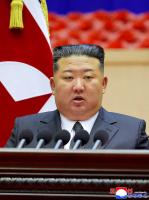
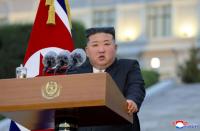
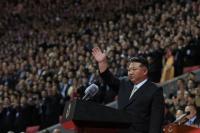
Last update: 8 hours agoClimate & Disaster Watch: South Korea’s 2026 summer is flagged as a “compound disaster” pattern—record heat followed by extreme downpours—after the Korea Meteorological Administration reported the season’s average temperature at 25.4°C (3rd warmest since 1973) and noted record-setting heat-wave days and a 42.5°C peak in Yangsan, underscoring how fast weather extremes can stack up across the peninsula. Sanctions & Fuel Supply: A VOA satellite-based analysis says at least 45 sanctioned oil-tanker calls were detected at North Korea’s Nampo port between Jan. 1 and Aug. 25, with estimated refined fuel volumes (450,000–1.35 million barrels) raising the risk Pyongyang exceeded the UN annual cap of 500,000 barrels. Education & Social Policy: North Korea opened its 15th National Conference of Teachers in Pyongyang, with Kim Jong-un calling education a top state priority and praising teachers as “patriots,” while describing recent system and environment changes as a “revolution.” Local Infrastructure Stress: Reports say Sinuiju flooding again disrupted North Korea–China cargo trade after drainage system failures, highlighting how extreme rainfall and weak water management can quickly hit cross-border logistics. Nuclear Deterrence Debate: A policy piece argues the US “nuclear umbrella” still matters for allies, framing North Korea’s nuclear posture as primarily tied to regime survival—an angle that shapes how regional security planning may respond to Pyongyang’s threats.
Note: AI summary from news headlines; neutral sources weighted more to help reduce bias in the result. Feedback is welcome. Please let us know if you have any comments or suggestions about the AGP Executive Report.